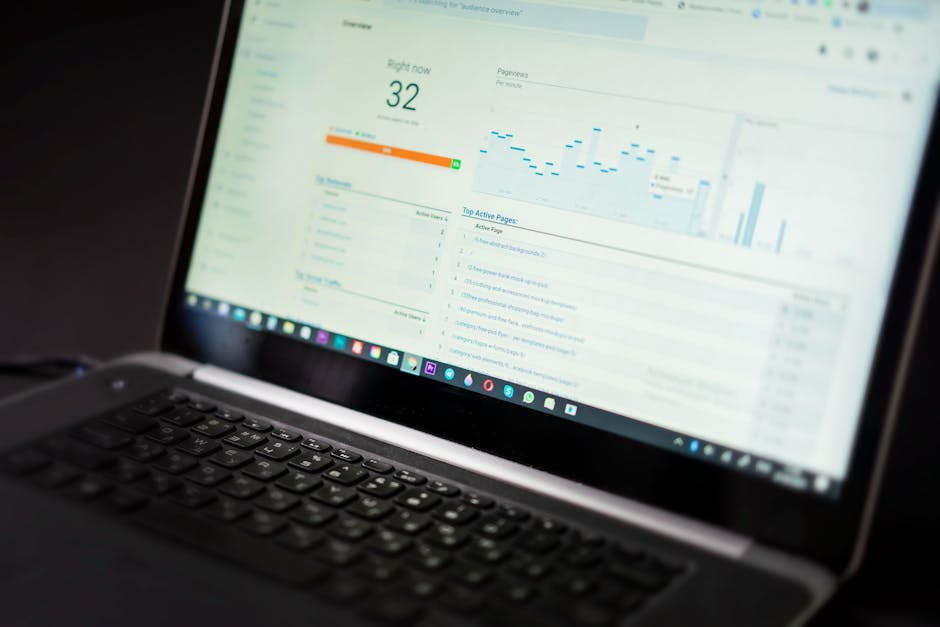
How to get started with web data scraping using python
In the rapidly evolving digital economy of 2026, web data scraping has emerged as the cornerstone of business intelligence and market transparency. Whether you are a solo entrepreneur trying to monitor the gold price for investment purposes or a multinational corporation requiring complex google price tracking across thousands of SKUs, the ability to programmatically extract information from the web is no longer a luxury—it is a necessity. With the sheer volume of data growing exponentially, learning how to harness web data scraping using Python allows you to transform the chaotic internet into a structured, actionable database.
At JustMetrically, we provide the tools and expertise to make sense of this data, but we also believe in empowering our community with the foundational knowledge of web scraping. By the end of this guide, you will understand not just the "how" of data extraction, but the "why" and "where" as well—from amazon tracking to monitoring the latest bitcoin price. Let’s dive into the technical and strategic world of automated data collection.
The Strategic Importance of Web Data Scraping in 2026
The modern business landscape is defined by speed. A decade ago, checking a competitor's price once a week was sufficient. Today, prices on platforms like Amazon can change multiple times an hour. This is where price tracking amazon strategies come into play. Businesses use these techniques to ensure they are never priced out of the market. But it isn't just about e-commerce. Logistics companies rely on automated systems to manage a tracking number for millions of packages, integrating usps tracking, fedex tracking, and ups tracking into a single dashboard for their customers.
Furthermore, the financial sector has become increasingly reliant on these technologies. Investors use automated scripts for gold price tracking and monitoring the price of gold and silver price in real-time to make split-second trading decisions. Even the travel industry has been revolutionized; consumers and travel agencies alike use flight tracking and flight price tracking to snag the best deals before they disappear. To keep up with these trends, you need a robust price tracking website or a custom-built internal tool.
What is data scraping and why Python?
If you are asking yourself, "what is data scraping?", simply put, it is the process of using software to mimic human web surfing behavior to collect specific information from websites. Python has become the industry standard for this task because of its readable syntax and an incredible ecosystem of libraries like Requests, BeautifulSoup, and Lxml.
Setting Up Your Python Environment for Web Data Scraping
To begin your journey into web data scraping, you first need a clean Python 3.11+ environment. We recommend using a virtual environment to manage your dependencies. For 2026 standards, performance is key, which is why we often favor the lxml parser for its speed and efficiency when handling large HTML documents.
First, install the necessary libraries using pip:
pip install requests lxml cssselectThe requests library will handle our HTTP connections, while lxml will allow us to navigate the Document Object Model (DOM) using XPath or CSS selectors. This combination is powerful enough to handle everything from package tracking updates to scraping financial tickers.
A Practical Example: Scraping Product Data
Let's look at a real-world scenario. Suppose you want to build a tool for amazon tracking to monitor a specific product's price and availability. The following Python snippet demonstrates how to fetch a page and extract the title and price using the lxml library.
import requests
from lxml import html

def scrape_product_data(url):
    # Set headers to mimic a real browser
    headers = {
        'User-Agent': 'Mozilla/5.0 (Windows NT 10.0; Win64; x64) AppleWebKit/537.36 (KHTML, like Gecko) Chrome/118.0.0.0 Safari/537.36',
        'Accept-Language': 'en-US,en;q=0.9'
    }

    try:
        # Fetch the webpage content
        response = requests.get(url, headers=headers, timeout=10)
        response.raise_for_status()

        # Parse the HTML content using lxml
        tree = html.fromstring(response.content)

        # Use XPath to locate the product title and price
        # Note: XPath queries vary depending on the website's structure
        title = tree.xpath('//span[@id="productTitle"]/text()')
        price = tree.xpath('//span[contains(@class, "a-price-whole")]/text()')

        data = {
            "title": title[0].strip() if title else "N/A",
            "price": price[0].strip() if price else "N/A"
        }

        return data

    except Exception as e:
        return f"An error occurred: {e}"

# Example URL for Amazon Tracking (Hypothetical URL)
example_url = "https://www.amazon.com/dp/B08N5KWBKK"
product_info = scrape_product_data(example_url)
print(f"Product Info: {product_info}")
This script is a baseline. For more complex tasks, such as google price tracking, you might need to handle dynamic content rendered by JavaScript, which would require tools like Playwright or Selenium. However, for many static pages or sites with simple structures, lxml is the fastest and most reliable choice.
Comparing Data Extraction Methods
When deciding how to approach your web scraping project, it is helpful to compare the different methods available. The table below outlines the pros and cons of common approaches used in 2026.
| Method | Best For | Pros | Cons |
|---|---|---|---|
| Python (Requests + Lxml) | Static sites, speed-intensive tasks | Extremely fast, low resource usage | Cannot handle heavy JavaScript |
| Headless Browsers (Playwright) | Dynamic SPA websites (React/Vue) | Can scrape anything a human sees | Slow, high CPU/RAM usage |
| JustMetrically Platform | Enterprise-scale e-commerce data | No maintenance, bypasses blocks, built-in analytics | Subscription-based |
| No-Code Browser Extensions | Small, one-off tasks | No programming required | Difficult to scale or automate |
Advanced Use Cases: Tracking Numbers and Logistics
Beyond simple price monitoring, many developers use Python to automate logistics. Managing a tracking number manually is impossible for a high-volume dropshipping business. By scraping or using APIs for usps tracking and fedex tracking, businesses can provide real-time updates to their customers without manual intervention. This level of automation is what separates successful e-commerce ventures from those that struggle to scale.
Similarly, for high-value shipments, monitoring ups tracking data allows companies to predict delays based on historical transit times. This data can be correlated with external factors, like weather or port congestion, to provide a sophisticated logistics intelligence platform.
Legal and Ethical Considerations in 2026
As web data scraping has become more prevalent, the legal landscape has also matured. It is crucial to scrape ethically to ensure your business remains compliant and avoids being blocked. Here are the golden rules for 2026:
- Respect Robots.txt: Always check the target website's /robots.txt file to see which paths are off-limits.
- Rate Limiting: Do not overwhelm a server with thousands of requests per second. Use delays and staggered scheduling.
- User-Agent Identification: Identify your bot clearly or use a realistic browser string to avoid triggering anti-bot mechanisms.
- Terms of Service: Be aware that some sites explicitly forbid scraping in their ToS. While recent court cases have favored public data access, it's always best to be cautious.
- Data Privacy: Never scrape personally identifiable information (PII). Stick to public product data, bitcoin price charts, or public logistics info.
Why JustMetrically is the Future of E-commerce Intelligence
While DIY web scraping is a fantastic skill, it often becomes a full-time job to maintain. Websites change their layouts constantly, anti-bot protections like Cloudflare and Akamai become more sophisticated, and proxy management can become expensive. This is where JustMetrically steps in.
We provide a comprehensive e-commerce data analytics platform that handles the "dirty work" for you. Instead of worrying about why your amazon tracking script broke last night, you can use our clean, structured data to make decisions. Our platform specializes in google price tracking and deep-market analysis, providing you with insights that go far beyond a simple price point. We analyze trends, competitor inventory levels, and consumer sentiment, giving you a 360-degree view of your niche.
For those who need to monitor high-frequency assets like the gold price or silver price alongside their retail data, JustMetrically offers custom integrations that pull all your vital metrics into one powerful dashboard.
Quick Start Checklist for Web Data Scraping
- Define your objective: Are you looking for package tracking data or competitive pricing?
- Identify the source: Which websites hold the data you need?
- Check the site structure: Does the site use static HTML or dynamic JavaScript?
- Select your tool: Python with
lxmlfor speed, or a platform like JustMetrically for scale. - Develop and test: Run your script on a small sample of pages first.
- Automate: Schedule your scrapers to run at optimal intervals (e.g., hourly for bitcoin price).
- Monitor and Maintain: Websites update; be prepared to fix your selectors periodically.
Frequently Asked Questions
What is data scraping?
Data scraping is the automated process of extracting specific information from websites and converting it into a structured format like a CSV, Excel file, or database. It is widely used for market research, price comparison, and monitoring financial assets like the price of gold.
How does flight price tracking work?
Flight price tracking involves regularly scraping airline websites or travel aggregators to record ticket prices for specific routes and dates. By analyzing this data over time, software can predict when prices are likely to drop, helping users book at the lowest possible rate.
Can I automate fedex tracking for my business?
Yes, you can use fedex tracking scraping or API integration to automatically update your internal systems with the status of your shipments. This allows you to trigger automated emails to customers when their tracking number indicates that a package has been delivered.
What is a price tracking website?
A price tracking website is a platform dedicated to monitoring price changes across various retailers. These sites use web data scraping to collect prices on millions of products, allowing users to set alerts for when a product like an electronics item or a specific gold price hits a target threshold.
Is web scraping legal for bitcoin price monitoring?
Generally, scraping public financial data like the bitcoin price from public exchanges is legal, provided you do not violate the website's terms of service or overwhelm their servers. Most financial institutions provide APIs for this purpose, which is the preferred method for high-frequency data.
Conclusion
Mastering web data scraping in 2026 is about more than just writing code; it's about understanding the flow of information across the internet. Whether you are building a simple script for flight tracking or a complex system for price tracking amazon, the power to gather and analyze data is a transformative advantage. However, as the web becomes more complex, the value of professional data partners increases.
JustMetrically is dedicated to providing you with the most accurate, timely, and actionable e-commerce data on the market. We take the complexity out of data collection so you can focus on growing your business. Ready to take your data strategy to the next level? Don't let your competitors get the jump on you.
Sign up for JustMetrically today and see the difference that professional-grade web intelligence can make.
Contact us: info@justmetrically.com
#WebScraping #DataAnalytics #Ecommerce2026 #PythonScraping #PriceTracking #JustMetrically #BusinessIntelligence #MarketResearch #BigData #WebAutomation